Why is AI Leaving the Cloud and Moving into your Pocket
Understand the real-world architectural change as AI shifts its base from cloud platforms to personal tech gadgets.

I like designing websites, discussing ideas, and meeting new people bundled with a deep passion for building things from scratch. I have an immense craze for DIYs, fiction, country music, and movies. I am always learning new things that make me a better developer everyday. I am open to new ideas and hop onboard new projects if I like them. I'm always full of ideas, so you'll always find me working on something or the other.
Introduction
Your digital devices have never been so powerful as today. Take, for instance, Apple’s silicon, like the M5 and its predecessors. These chips offer performance that rivals some of the most powerful processors from Intel and AMD.
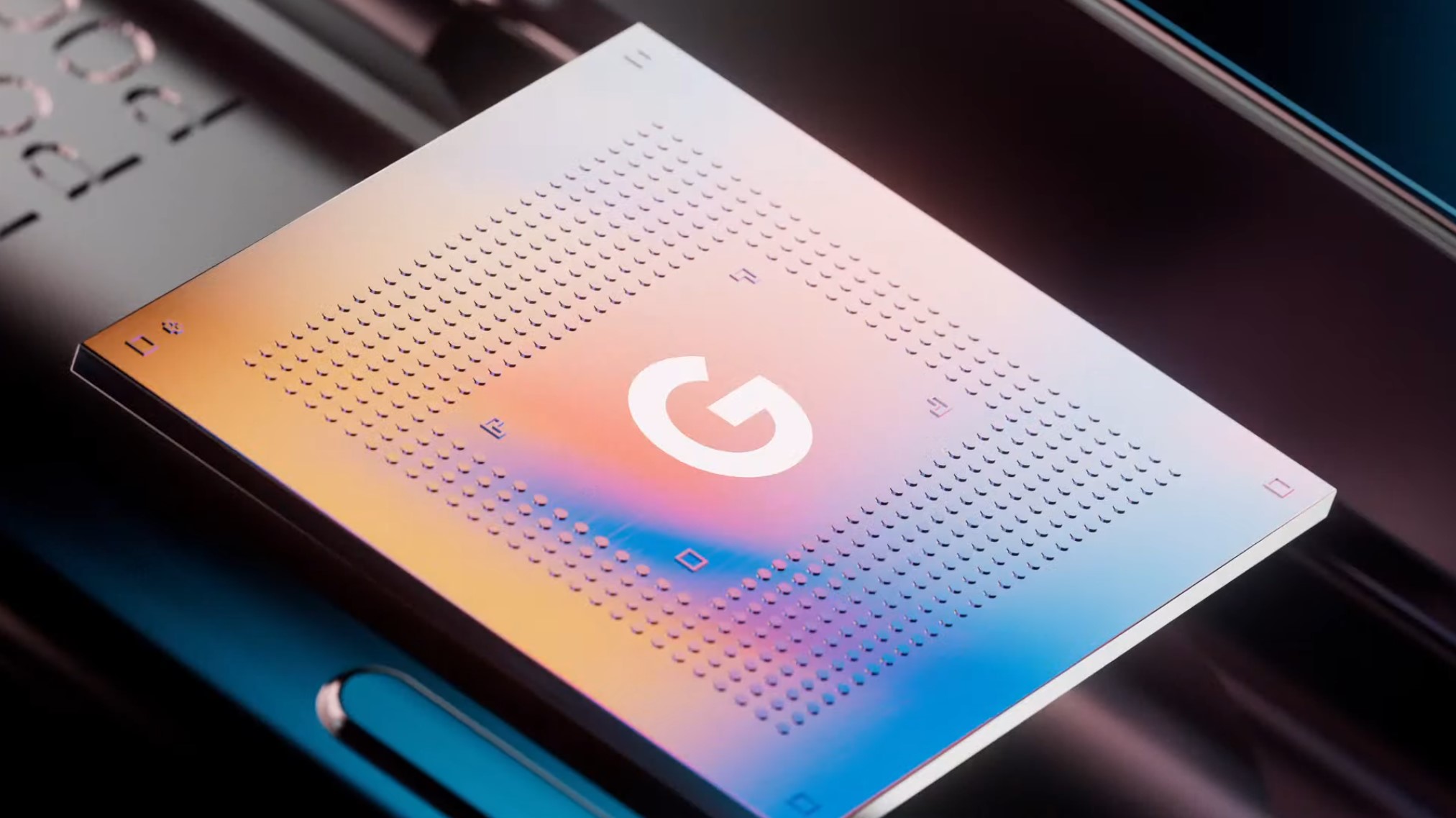
The M1 chip, introduced in 2020 with the Mac, could easily run LLaMA 3–3B, Mistral 1.3B, or Stable Diffusion 1.5 models smoothly without making your processor go crazy. The A15 Bionic chip that came with iPhone 13 in 2021 was capable enough to run models upto 2 billion parameters comfortably. The Tensor G3 was introduced with Pixel 8 in 2023 was made to run Gemini nano on device. Similarly, the Microsoft SQ3 launched with the Surface Pro 9 in 2022, is geared for on-device AI tasks.
The growing power of these devices lay the groundwork for understanding why on-device AI processing is becoming increasingly prevalent. As these processors become more powerful and efficient, they enable new capabilities within the constraints of modern devices, making it feasible to run complex AI models directly on the device rather than relying on cloud resources.
The Rise of On-Device AI
The rise of on-device AI processing is driven by a convergence of technological advancements and market pressures. Technologically, the increased computational power of modern devices has rendered local data processing feasible for increasingly complex tasks. This shift in capability empowers developers to offload compute-intensive tasks directly to the user’s device, thereby reducing reliance on cloud resources.
Market pressure has also played a significant role. User privacy concerns have surged due to high-profile breaches and regulatory changes like GDPR and CCPA. Companies are now under more scrutiny to protect user data and demonstrate compliance with privacy regulations. By having LLMs process data on-device, your data is processed locally, and companies can mitigate risks associated with data exposure. This helps them adhere to regulations and increase user privacy.

Moreover, economic considerations push the trend towards on-device AI. Cloud computing, although powerful, incurs substantial costs for both infrastructure maintenance and data transfer. Companies are continually seeking ways to optimize these expenses. By pushing these models to user’s device, companies can reduce cloud computing expenditures while benefiting from enhanced performance and privacy assurances.
Milliseconds Matter
One of the reason why on-device AI processing has been successful is the latency that they help counter. The time it takes for an AI model to process data can significantly impact user experience, particularly in real-time applications such as voice assistants or augmented reality (AR) tools. On-device processing excels at reducing this latency by eliminating the need to transmit data to remote servers. This reduction in latency can be substantial—measured in milliseconds rather than seconds—which translates to a more responsive and seamless user experience.
This is not something that is new and is just being introduced. In fact, Autonomous Vehicles have been doing it for some time now. Driving decisions are need to be swift. Your life cannot be put in the hands of an unreliable network and the traffic congestion on the cloud models. Manufacturers started implementing chips that could make split-second decisions on the vehicle itself.

But what about your laptops and phones? Why do you need split second decisions there? Well, you don’t. But it does not mean that you do not need local models running on your phone. Processing like Speech-to-text, call transcribing, keyboard autocorrect and building spatial maps for AR is already being done on your smartphones.
Why is It Good News for Developers?
The rise of on-device AI harbingers significant advantages for developers, who are increasingly looking to create robust and efficient applications while balancing cost and performance considerations. One of the foremost benefits lies in the economics of making applications. Imagine incurring thousands of dollars for general purpose AI tasks like translate or speech. Now imagine your customer’s device doing all that for you, for free. You do not have to incur costs for maintaining cloud resources.

Additionally, on-device AI significantly enhances privacy for users, aligning closely with growing regulatory requirements such as GDPR and CCPA.
Performance-wise, local processing delivers lower latency and higher reliability. Developers can create applications that respond almost instantaneously to user inputs, enhancing the overall experience by avoiding network delays. Moreover, on-device AI ensures that services remain functional even in areas with poor or no internet connectivity, making applications more reliable and resilient.
In summary, the shift towards on-device AI offers developers a triple win:
Enhanced security and privacy,
Improved performance through reduced latency
Cost savings that allow for greater innovation and efficiency in app development.
Apple has already released on-device APIs for Swift so developers can leverage these in their apps, Google has started rolling out access to on-browser Gemini Nano for Chrome extensions in preview, and Microsoft has started providing OS level APIs via Windows Copilot Runtime.
Hybrid AI - What is it?
Although on-device AI Hybrid sounds to be too good, and it actually is, but what is a world without variations? Not everyone uses the latest Surface Laptop or the latest iPhone. People are still using decade old laptops and phones. You cannot ignore them when making your app. Even if their device cannot run the latest 3B model of llama, you still need to give them the feature to translate GenZ Gibberish to formal English (if your app does that). So what do you do? You make a mix of both on-device and cloud models. If a device cannot process speech translation on-device, you make an API call to the cloud to get it done.
Another use case is when you have a very specialized model that you have developed and trained, and is too heavy to be deployed on a user’s device.
Let’s take an example.
You made a model that takes an excerpt from a message written in any language and transforms it into a speech by Putin.

Now a very good blend of this would be to translate the text from any language to Russian using on-device models securely, without exposing any of your messages to the internet (well you are still doing it, in Russian), send the translated text to your server and feed it to your model, and finally the TTS model converts into a speech by Putin and sends the audio file back to the requesting device.

This approach integrates both remote servers and local hardware to optimize performance, reliability, and privacy for users. The rationale behind hybrid architectures lies in leveraging the strengths of each system: the scalability and vast computational resources of the cloud, alongside the speed and security offered by processing data within a user’s device.
In essence, Hybrid AI combines model training on high-powered servers in the cloud with real-time inference processed locally on-device. This ensures that complex models can benefit from the extensive compute capabilities of cloud environments while delivering immediate results without latency or dependency on network connectivity. This synergy between cloud-based resources and on-device processing allows for efficient management of computational demands while safeguarding user privacy.
How to Decide When to Run AI Locally vs in the Cloud
Determining whether to perform AI processing locally or in the cloud involves a nuanced evaluation of several factors, including data sensitivity, computational demand, latency requirements, and cost considerations. Each approach offers unique benefits and comes with specific challenges that must be weighed carefully.
Data Sensitivity: One of the most critical considerations is the sensitivity of the data being processed. For applications handling highly personal or confidential information, such as medical records or financial data, on-device processing is often preferable. By keeping the data localized, it never leaves the user's device, thereby enhancing privacy and security. This approach is particularly important in scenarios where regulatory compliance with data protection laws like GDPR or CCPA is paramount.
Computational Demand: The complexity of the AI tasks being performed also plays a significant role in decision-making. For tasks that require real-time processing and immediate responses, such as voice recognition or augmented reality, on-device processing can deliver superior performance due to its lower latency. On the other hand, tasks with higher computational demands may benefit from cloud-based processing.
Latency Requirements: Latency is a critical factor in determining the most appropriate processing location. Applications that require quick responses (such as virtual assistants, gaming, or real-time monitoring systems) are best served by local AI processing due to its minimal latency and independence from network connectivity.
Cost Considerations: Financial implications also play a pivotal role in this decision-making process. On-device processing can lead to significant cost savings by reducing reliance on cloud resources and minimizing data transfer charges. Conversely, cloud-based AI processing often incurs recurring costs for server maintenance, data storage, and network usage but benefits from economies of scale.
Scalability Needs: Another aspect is the scalability required for the application. For applications with fluctuating computational needs or expanding user bases, a hybrid approach might be ideal, combining local inferencing for quick responses with cloud-based processing to handle peak loads or specialized tasks. This flexibility allows for dynamic resource allocation and optimal performance across different usage scenarios.
Security Concerns: The security of data in transit and at rest is another crucial consideration. Local processing reduces the risk of data breaches by minimizing exposure over public networks. Cloud-based solutions, while often providing strong network-level security, may require careful configuration to ensure that sensitive data remains secure throughout its lifecycle.
Developer Resources: The availability and expertise of developers with the necessary skills to manage local versus cloud-based AI processing is another factor. Developers proficient in on-device AI will need detailed knowledge of hardware capabilities and optimization techniques to ensure efficient performance. In contrast, cloud-based AI follow a more generalised with a one-fits-all approach.
Companies that are already switching to on-device
The Apple Use Case
People keep complaining about how bad Apple AI is for processing images in comparison to Samsung and Google. But what people fail to understand is that most of the processing is being done locally on your smartphone. Apple is playing the long game. While other companies are burning through their resources, providing free access to these herby and expensive models, Apple has put the power right into their customer’s devices. Is it good for brand image? No. Is it getting them publicity? Negative, but yes. Is it burning a huge hole in their pocket? Definitely not!

On the iPhones and Macs, Apple employs on-device machine learning to power features such as Live Text, which identifies text in images for actions like translating languages or making phone calls. The M-series and A-series chips enabled instantaneous processing of this data locally without compromising user privacy by keeping all operations within the device itself. In 2025, Apple launched the AirPods 3 Pro with a chip strong enough to translate real-time conversations.
Moreover, Apple's emphasis on user privacy is a cornerstone of their strategy. By keeping AI processing within the device, Apple reduces the risk of data breaches and complies with stringent regulatory requirements, such as GDPR. This approach not only enhances trust with users but also aligns with broader industry trends toward enhanced data security and compliance.
Read more here: https://developer.apple.com/apple-intelligence/
The Chrome Use Case
Google’s Chrome browser has recently made significant strides in integrating on-device AI to enhance functionalities like text transformation. This move towards local processing underscores Google's commitment to improving user experience while addressing privacy concerns and optimizing performance.
Chrome is offering features like content writing, proofreading, translation and summariser among few of its use cases.
These advancements are still in preview (as of October 2025), but developers can easily sign-up to get access to the Gemini Nano model deployed on the latest chrome models. By keeping the data processing confined to the local hardware, Chrome effectively mitigates risks associated with transmitting sensitive data over networks.
In summary, Google's integration of on-device AI in Chrome exemplifies a strategic approach that prioritizes both performance and privacy. By executing complex tasks locally, Chrome offers users faster, more reliable, and secure functionalities, setting a trend for other browser platforms to follow.
Read more here: https://developer.chrome.com/docs/ai/
The Microsoft Copilot Use Case
Microsoft is taking on-device AI to a whole new level by providing a universal layer within the Windows OS, by embedding AI as a fundamental OS-level capability, so even code written in C or Java can access these, giving developers broader, more systemic access to AI capabilities.

These changes come as a part of a new class of powerful next generation AI devices is an invitation to app developers to deliver differentiated AI experiences that run on your device. Microsoft is calling these devices the Copilot+ PCs.
Read more here: https://blogs.windows.com/windowsdeveloper/
Future Perspectives - What’s Next in On-Device AI?
The future of on-device AI is poised for remarkable advancements driven by ongoing technological innovations and emerging trends. One significant area of development of robust hardware components, enabling even more powerful AI processors to be integrated into small devices. Innovations like Apple's M-series chips, Tensor Chips by Google, and Qualcomm’s Snapdragon X series chips illustrate this trend, with ever-smaller yet increasingly capable neural engines becoming standard in mobile devices.

Improvements in energy efficiency are crucial for sustaining on-device AI. Current research focuses on developing AI models that require less computational power while maintaining high accuracy. Techniques such as model pruning and quantization aim to optimize neural networks, allowing them to run efficiently even with limited resources. This is why nano models of 3 billion or less parameters are running on most personal devices. This progress will further enhance the feasibility of complex AI tasks being executed locally without significant battery drain or overheating issues.
Another promising direction is the advancement in edge computing, which extends the capabilities of on-device AI by enabling real-time data processing and decision-making at the network’s edge. This can be particularly beneficial for applications involving IoT (Internet of Things) devices, where instantaneous responses are essential. Collaborative efforts between technology companies and academic institutions will likely drive forward innovations that blend edge computing with advanced AI algorithms.
All these sound good for users, given their privacy. But don’t forget that companies are also benefitting from these advancements. The more processing they offload to your device, the lighter it would be on their pockets. Privacy is an added bonus.
In summary, the future of on-device AI is bright, driven by ongoing research in hardware miniaturization, energy-efficient processing, edge computing integration, privacy-preserving techniques, and quantisation of models. These innovations promise to make on-device AI even more pervasive and effective, enabling a new wave of intelligent applications across diverse domains.
If you liked this, do show support by liking this article and subscribing for future updates.

Check out my portfolio at yasharyan.dev